
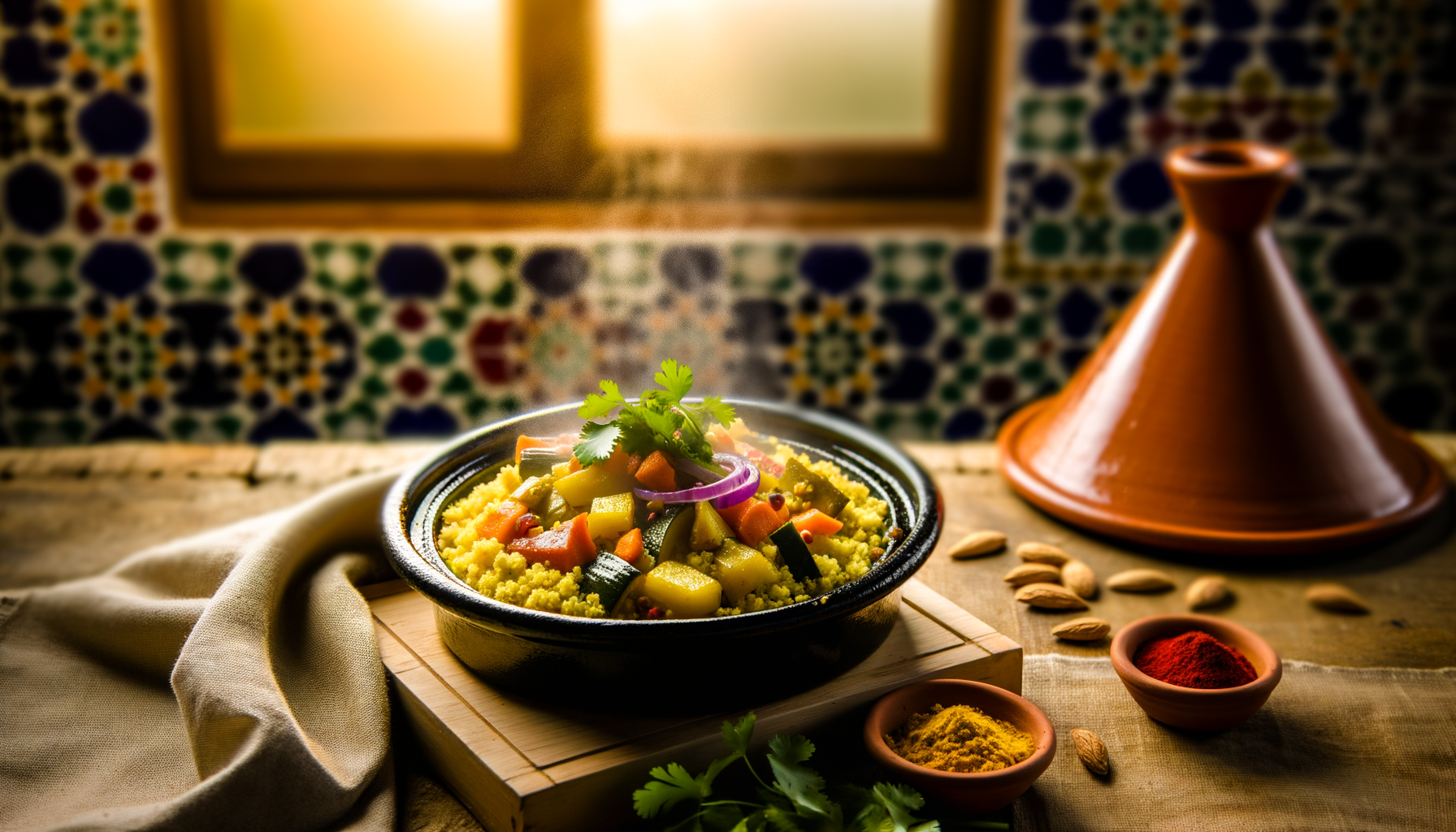
Savory Sweet Seven-Vegetable Couscous with Fez-Style Spices
The gentle hiss of onions caramelizing in olive oil fills your kitchen, mingling with the fragrant warmth of cinnamon, ginger, and saffron. Steaming couscous catches the golden sunlight streaming through your window, inviting you to gather around and savor this comforting dish. As the spices blossom, you can’t help but anticipate the first bite, where sweet apricots meet savory vegetables in a perfect blend of textures and flavors.
In the heart of Fez, where culinary traditions weave through everyday life, couscous is more than a dish—it’s a ritual. Often served on Fridays or during festive occasions like Ramadan iftar, it symbolizes family unity and warmth. This version, with its Fez-style spices, is adapted for your Western kitchen, making it accessible without losing its authentic Moroccan essence.
Why You’ll Love This Recipe
- Perfect for a cozy weeknight meal with minimal prep.
- Versatile and can be made-ahead for busy schedules.
- Rich in flavors yet budget-friendly with pantry staples.
- Authentic taste with accessible ingredients for Western kitchens.
- Vegetarian-friendly, with easy adjustments for dietary needs.
The Story Behind the Dish
Seven-vegetable couscous is a beloved Moroccan staple, celebrated for its balance of sweet and savory elements. Rooted in Fez, one of Morocco’s culinary capitals, this dish showcases the region’s penchant for aromatic spices and dried fruits, reflecting centuries of trade and cultural exchange. Traditionally, couscous is served during Friday family gatherings, weddings, and festive celebrations, embodying a spirit of generosity and communal dining. The number seven holds symbolic importance in Moroccan culture, often associated with blessings and completeness, which is why this dish features seven different vegetables. Each region may add its own twist, varying the vegetables or spices, but the essence remains a harmonious blend of flavors that brings people together at the table.
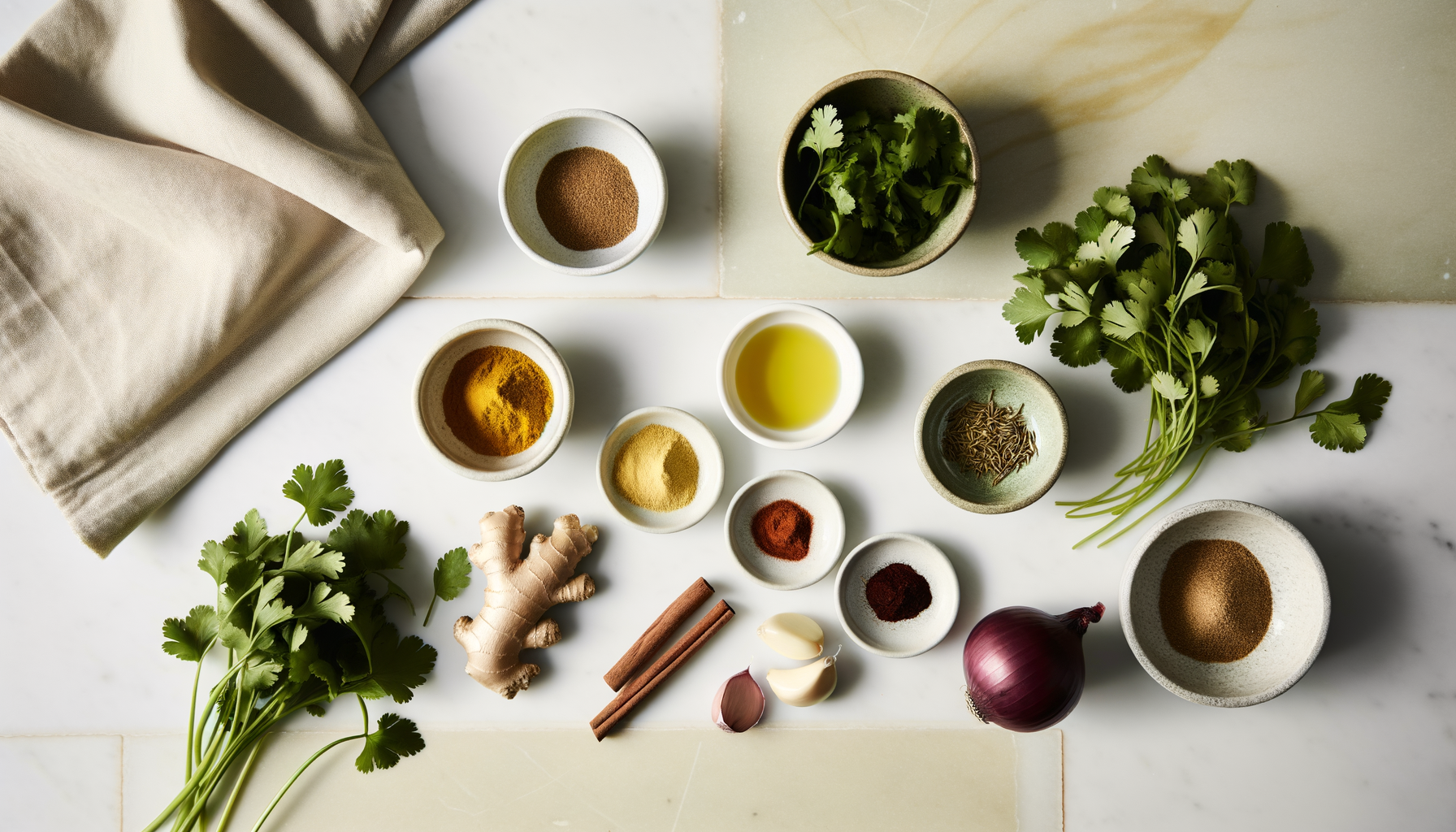
Ingredients
Serves 4 (adjust as needed). Measurements are given in US cups/ounces AND metric grams/milliliters.
- Couscous: 1 1/2 cups (300 g)
- Olive oil: 2 tablespoons (30 ml)
- Onion: 1 large, finely chopped (about 200 g)
- Garlic: 3 cloves, minced
- Carrot: 2 medium, sliced (about 150 g)
- Zucchini: 1 large, diced (about 200 g)
- Butternut squash: 1 cup (200 g), cubed
- Green beans: 1 cup (100 g), trimmed and halved
- Chickpeas: 1 can (15 oz/425 g), drained and rinsed
- Apricots: 1/2 cup (75 g), chopped
- Vegetable broth: 3 cups (720 ml)
- Ground cinnamon: 1 teaspoon
- Ground ginger: 1 teaspoon
- Saffron threads: a pinch Substitute: turmeric for color
- Salt: 1 teaspoon, or to taste
- Black pepper: 1/2 teaspoon
- Ras el hanout: 1 tablespoon Substitute: mild curry powder
Equipment
- Large Dutch oven or heavy lidded skillet
- Medium saucepan
- Colander
- Wooden spoon
- Measuring cups and spoons
Step-by-Step Instructions
- Begin by toasting the couscous in a dry medium saucepan over medium heat until golden and slightly nutty, about 3–4 minutes. Stir frequently to avoid burning.
- In a large Dutch oven, heat the olive oil over medium heat. Add the onion and cook until soft and translucent, about 5 minutes. Stir occasionally to prevent browning.
- Add the garlic, carrots, zucchini, and butternut squash to the pot. Cook for 5–7 minutes, stirring until the vegetables begin to soften and release their aroma.
- Stir in the green beans, chickpeas, and apricots. Season with cinnamon, ginger, saffron, salt, and pepper. Mix well to coat the vegetables evenly with spices.
- Pour the vegetable broth into the pot and bring to a simmer. Cover and cook for 15–20 minutes, or until the vegetables are tender and flavors meld beautifully.
- Meanwhile, bring 1 1/2 cups (360 ml) of water to a boil in the saucepan used for the couscous. Add a pinch of salt and the toasted couscous. Cover and remove from heat. Let it sit for 5 minutes, then fluff with a fork.
- Once the vegetables are fully cooked, uncover the pot and increase the heat to medium-high to reduce the liquid slightly, about 5 minutes. The mixture should be moist but not soupy.
- Stir in the ras el hanout, adjusting seasoning to taste. Allow the spices to bloom in the residual heat for an additional minute.
- To serve, pile the couscous onto a large platter or individual plates. Spoon the vegetable mixture over the top, ensuring even distribution of vegetables and sauce.
- Garnish with fresh herbs like cilantro or parsley if desired. Serve hot, allowing the dish’s fragrant steam to invite everyone to the table.

Chef Tips for the Best Results
- Toast whole spices briefly in a dry pan before grinding for a deeper flavor.
- Bloom saffron in warm water for a few minutes to release its full color and aroma.
- Rest the cooked couscous for 5 minutes before fluffing for perfect texture.
- Balance the sweet and savory elements by adjusting the amount of apricots to taste.
- Add salt towards the end of cooking to avoid overly salty vegetables.
- Use a mix of fresh and dried herbs for a layered flavor profile.
- Store excess ras el hanout in an airtight container for future Moroccan dishes.
Regional Variations
Moroccan cuisine is as diverse as its landscapes, and couscous recipes vary widely across regions. In Marrakech, couscous might feature the addition of raisins and a hint of honey, bringing a sweeter profile. In the Rif Mountains, you’ll find a simpler version with more emphasis on fresh herbs and less on dried spices. Meanwhile, coastal areas might include seafood alongside vegetables, reflecting the abundance of the Mediterranean. The Berber version often incorporates more root vegetables and legumes, showcasing the earthiness of the Atlas Mountains.
What to Serve With It
- Khobz: Moroccan bread perfect for scooping up every last bit.
- Moroccan salads: Fresh, zesty salads complement the rich flavors of the couscous.
- Mint tea: A traditional finish to cleanse the palate and aid digestion.
- Grilled meats: Lamb or chicken kebabs add a protein boost and smoky flavor.
- Yogurt dip: Cools the palate and pairs well with spiced dishes.
Make-Ahead, Storage and Reheating
- Fridge: Store in an airtight container for up to 3 days.
- Freezer: Freeze for up to 2 months. Reheat gently on the stove with a splash of broth.
- Leftovers ideas: Use as a filling for wraps, mix with eggs for a frittata, or add to a soup.
Nutrition (Per Serving, Approximate)
Calories: 480, Protein: 14g, Carbs: 90g, Fat: 10g, Fiber: 12g, Sodium: 720mg. Nutrition values are estimates and may vary based on ingredients and serving size.
Frequently Asked Questions
- Can I substitute ras el hanout with something else?
- Yes, a mild curry powder can work in a pinch, though it will alter the flavor profile slightly.
- How far in advance can I prepare this dish?
- You can prepare it up to two days in advance. Store in the fridge and reheat gently before serving.
- What’s a common mistake to avoid?
- Avoid overcooking the vegetables. They should be tender but still hold their shape for the best texture.
- Is this recipe gluten-free?
- Unfortunately, traditional couscous is not gluten-free. Substitute with quinoa or gluten-free couscous for a similar result.
- How authentic is this version of Moroccan couscous?
- While adapted for Western kitchens, it retains the essence of traditional Moroccan flavors and techniques, particularly those from Fez.
Final Thoughts
Savory Sweet Seven-Vegetable Couscous with Fez-Style Spices brings a slice of Morocco to your table, a dish that speaks of warmth and shared memories. Whether you’re crafting it for a family meal or a special occasion, it invites creativity and tradition. Feel free to share your variations in the comments—whether it’s a family twist or a new ingredient you tried, we’d love to hear how you make this dish your own.